.jpg)
The Sanctuary of Sacred Relics
About Buddha Dhatu Jadi
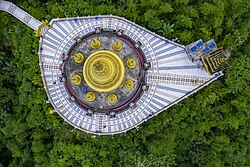
A living sanctuary of the Theravada tradition, raised upon the hills of Bandarban to enshrine the holy dhatu — the venerated relics of Lord Buddha.
A living sanctuary of the Theravada tradition, raised upon the hills of Bandarban to enshrine the holy dhatu — the venerated relics of Lord Buddha.
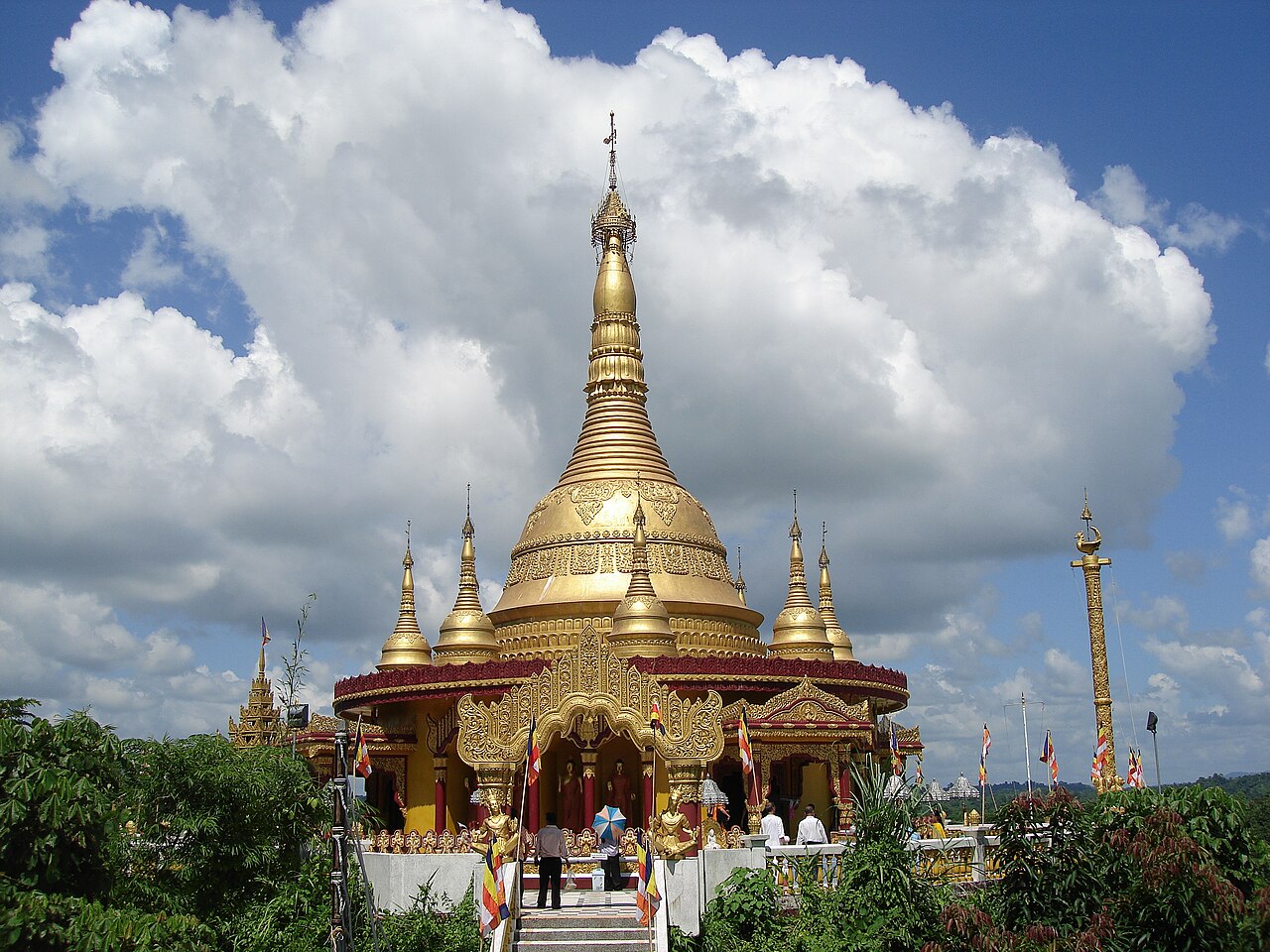
In the language of the Marma people of the Chittagong Hill Tracts, jadi denotes a stupa — a sacred form of architecture raised in honour of the Buddha. Dhatu, in Pali, means a relic — a fragment of the awakened one preserved through ages of devotion. Together, Buddha Dhatu Jadi is precisely what the words promise: a stupa for the holy relics of the Buddha.
Located near Balaghata in the city of Bandarban, the temple stands as the largest Theravada Buddhist temple in Bangladesh. Within its hilltop sanctum is housed the second-largest Buddha statue in the country — a luminous figure of meditation gilded in gold, a presence at once vast and serene.
For pilgrims, scholars, and travellers, the temple is more than a monument: it is a living centre of Theravada practice — of dāna (giving), sīla (virtue), and bhāvanā (meditation) — observed quietly each day among the green hills of Bandarban.
Theravada — literally, "the Doctrine of the Elders" — is the oldest surviving school of Buddhism, preserving the Buddha's teaching as recorded in the Pali Canon. In Bangladesh, the tradition is sustained chiefly by the Buddhist communities of the Chittagong Hill Tracts: the Marma, Chakma, and other indigenous peoples.
Buddha Dhatu Jadi is the most prominent Theravada centre in the country — a place where lay devotion and monastic discipline meet within a single, gilded sanctuary. Each day, robed monks chant the ancient suttas, and devotees offer flowers, incense, and silence at the foot of the great Buddha.
Three interwoven significances — spiritual, cultural, and civilizational — sustained over generations within a single sanctuary.
For the Theravada Buddhist communities of Bangladesh, the temple is a living place of practice — daily prayer, meditation, ordination, and the observance of the eight precepts on full-moon days.
An emblem of the Buddhist heritage of the Chittagong Hill Tracts, expressed in gilded architecture, ritual, music, and the quiet generosity of the Marma community.
A pilgrimage destination drawing devotees, scholars, and travellers from across South and Southeast Asia — and an interfaith point of harmony for visitors of all paths.
The temple's role today extends far beyond worship. It functions as a centre of cultural preservation — protecting the rituals, the iconography, and the lineage of teaching that the Buddhist communities of Bandarban have stewarded for generations.
Custodianship is shared between the resident monastic community, lay devotees, and partner heritage bodies who together support its conservation, daily upkeep, and respectful welcome to visitors.
A distinguished circle of cultural ambassadors, heritage strategists, and Track-II diplomats steward the temple's modern presence — its preservation, its outreach, and its place within the wider Indo–BIMSTEC heritage corridor.
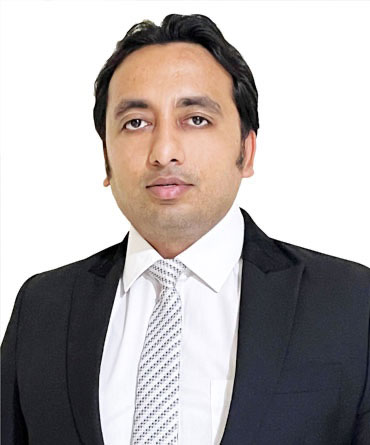
Entrepreneur · Social Architect · Nation-Building Strategist · Co-Founder, Bangladesh Cultural Heritage Trust
Read full profile →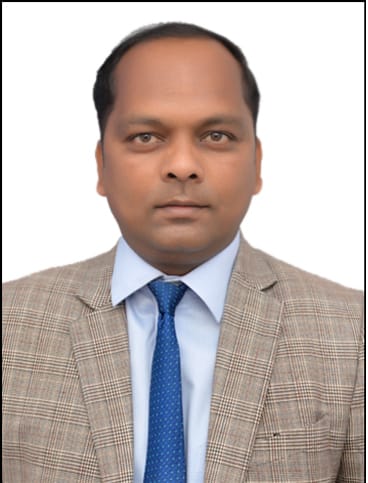
Track-II Diplomacy Strategist · Civilisational Dialogue · Cultural Geopolitics · Indo–BIMSTEC Regional Integration
Read full profile →Trace the temple's establishment, the centuries of devotion that shaped it, and the architectural mastery that makes Buddha Dhatu Jadi a heritage of South Asia.
Read History & Legacy